Few travel destinations in the world evoke the imagination quite like northern India. It is a land defined by dramatic contrasts: the poetic stillness of immortal marble monuments on one hand, and the raw, untamed drama of dense jungle forests on the other. For discerning international travellers seeking more than a standard sightseeing itinerary, an India heritage and wildlife tour bridges these two disparate worlds into an extraordinary singular journey.
Rather than choosing between imperial history and wilderness adventure, pairing Agra’s architectural crown with the rugged landscapes of Ranthambore National Park creates an unforgettable travel narrative. Moving seamlessly from reflective Mughal gardens to the ancient hunting grounds of erstwhile maharajas, travellers experience the cultural depth and natural majesty of the subcontinent at an unhurried, luxurious pace.
Discovering the Taj Mahal: A Study in Light and Stone
Standing on the southern bank of the Yamuna River, the Taj Mahal remains one of humankind’s greatest architectural triumphs. Commissioned in 1632 by the Mughal Emperor Shah Jahan as a mausoleum for his beloved wife Mumtaz Mahal, this UNESCO World Heritage Site transcends its romantic legend through extraordinary craftsmanship.
To appreciate the monument at its finest, arrange a dawn entry. As morning mist lifts off the Yamuna, the ivory-white Makrana marble absorbs the day’s first rays, shifting in hue from soft rose and warm amber to a brilliant, pearlescent white. Inside, the visual mastery is in the details: intricate pietra dura inlay work, where semi-precious lapis lazuli, carnelian, jasper, and jade are embedded into marble panels with microscopic precision. Symmetrical Persian-style charbagh (four-quadrant) gardens frame the reflection pools, designed to evoke an earthly vision of paradise.
For a refined experience, engage a private scholar or heritage guide who can navigate quiet vantage points away from the central walkways. Observing the monument from the riverfront gardens of Mehtab Bagh at golden hour provides an enchanting, low-crowd alternative to the main mausoleum grounds.

Exploring Agra Beyond the Mausoleum
While the Taj Mahal commands international attention, a comprehensive private Agra tour reveals that Agra was the epicentre of Mughal power, art, and courtly life for generations.
Directly upriver stands the massive Agra Fort, a red sandstone fortress spanning 94 acres. Behind its imposing 70-foot ramparts lie hidden imperial quarters, notably the Jahangiri Mahal, the Diwan-i-Khas, and the Musamman Burj—the octagonal marble tower where Shah Jahan spent his final years gazing out across the river toward his wife’s tomb.
Beyond monumental stone, Agra’s living culture is anchored in ancestral artisan traditions. Descendants of the original Mughal master craftsmen still practice delicate marble inlay and zardozi (gold thread embroidery) in heritage workshops. Evenings in Agra also offer opportunities to sample refined Mughlai cuisine—richly spiced slow-cooked stews, fragrant saffron biryanis, and tandoori delicacies that once graced royal banquets.
From Historic Cities to Tiger Country: The Call of Ranthambore
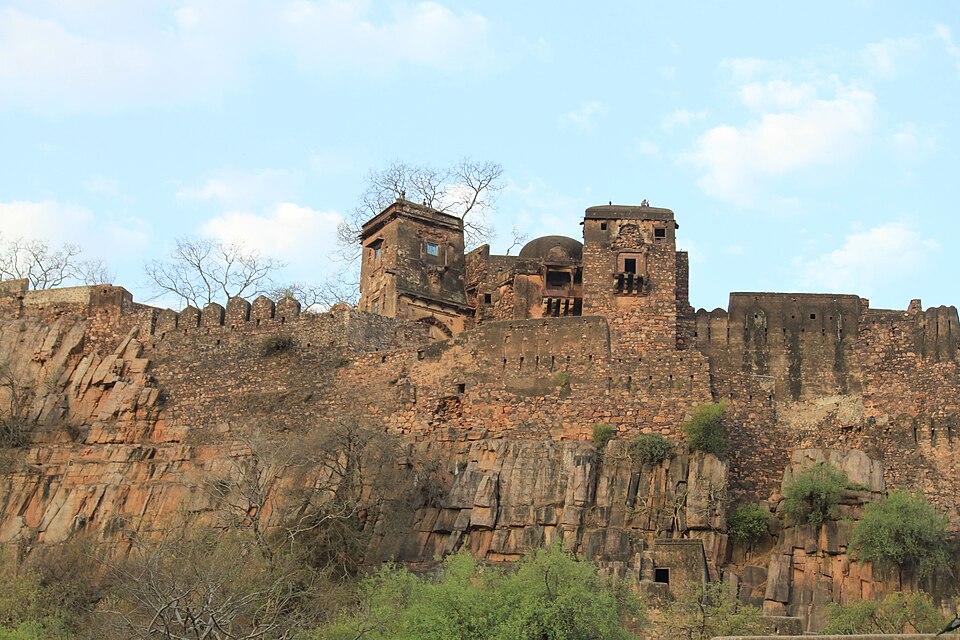
Leaving the fertile river plains of Uttar Pradesh behind, the landscape shifts dramatically as you cross into eastern Rajasthan. The horizon rises into the ancient, sun-baked ridgelines of the Aravalli and Vindhya ranges, signalling your arrival at Ranthambore National Park.
Once the private hunting preserve of the Maharajas of Jaipur, Ranthambore is today one of India’s most celebrated Project Tiger conservation reserves. The park spans more than 1,300 square kilometres of dry deciduous forest, open grassy meadows, and serene lakes, all crowned by the tenth-century Ranthambore Fort perched high on a central plateau. Ancient stone chhatris (cenotaphs) and moss-draped pavilions sit scattered throughout the forest, offering a surreal backdrop where wildlife roams freely among medieval ruins.
Twice daily, open-top safari vehicles enter the park’s designated zones in search of wildlife. Ranthambore is home to a thriving population of Royal Bengal tigers, alongside leopards, sloth bears, striped hyenas, sambar deer, marsh crocodiles, and more than 300 species of resident and migratory birds. While the thrill of spotting an apex predator is the primary draw, wildlife enthusiasts understand that tiger sightings are never guaranteed. The true reward of a Ranthambore tiger safari tour lies in the suspense of the track: listening for the sharp alarm call of a spotted deer, deciphering fresh pugmarks in the dust, and immersing oneself in an ancient, untouched ecosystem.
What Makes an Indian Safari Truly Luxurious?
High-end wildlife exploration in India has evolved far beyond rustic wilderness outposts. When curating luxury wildlife holidays in India, accommodation and service elevate the entire expedition into an art form.
Guests can retire to opulent tented camps and heritage sanctuaries that recall the romance of classic expedition travel without sacrificing modern sophistication. Properties like the private tented pavilions of Aman-i-Khás, the manicured regal estates of The Oberoi Vanyavilas, or the conservation-first elegance of SUJÁN Sher Bagh feature custom teak furnishings, private verandas, freestanding copper soaking tubs, and attentive private butler service. For travellers exploring options across India’s top reserves, reviewing curated luxury wildlife lodges in India offers insight into properties that place equal emphasis on bespoke comfort and authentic ecological stewardship.
Between early morning and late afternoon game drives, guests can enjoy poolside lunches beneath mango groves, bespoke wellness therapies rooted in Ayurvedic tradition, or candlelit dinners under the desert stars accompanied by traditional folk musicians. With seamless transfers and exclusive safari vehicles coordinated in advance, every transition remains effortless.
Planning a Seamless Taj Mahal and Ranthambore Itinerary
A journey linking northern India’s cultural and natural jewels requires thoughtful logistical orchestration. Designing a balanced Taj Mahal luxury tour with safari demands careful attention to timing and pacing:
- Seasonality and Park Openings: Ranthambore’s core safari zones are open annually from October 1 through June 30, remaining closed during the monsoon months (July to September). The most temperate weather for exploring both Agra and Ranthambore occurs between November and March. For photography enthusiasts, April and May offer dry conditions that draw wildlife toward central waterholes, though daytime temperatures are noticeably higher.
- Safari Permits and Advance Booking: The forest department strictly regulates safari vehicle quotas to safeguard the habitat. Premium morning and afternoon permits for preferred zones often book out months in advance; planning at least three to six months ahead is strongly advised.
- Pacing and Transit: The journey between Agra and Ranthambore spans approximately five to six hours by private chauffeured vehicle, or can be completed comfortably aboard a luxury train service to Sawai Madhopur station. Dedicating at least two nights to Agra and three nights to Ranthambore ensures adequate time for morning monument visits and multiple safari drives.
Responsible Cultural and Wildlife Tourism
True luxury in the modern travel landscape is inseparable from responsibility and respect. When visiting fragile ecological reserves and sacred historic landmarks, ethical practices protect these heritage assets for future generations.
In Ranthambore, visitors must adhere strictly to park guidelines: remaining inside vehicles, keeping noise to an absolute minimum, maintaining safe distances from animals, and strictly avoiding single-use plastics. Respecting the space of wildlife ensures natural behaviours remain undisturbed. Similarly, when exploring Agra’s monuments and historic bazaars, hiring licensed local guides, dressing respectfully at cultural sites, and supporting traditional artisan cooperatives helps sustain local communities directly.
Conclusion: From Marble to the Wild
Northern India rewards travellers who embrace its richness in full. From the ethereal, symmetrical perfection of the Taj Mahal at dawn to the sudden heartbeat of a forest as a Royal Bengal tiger steps silently into view, combining heritage and wilderness delivers a deeply rewarding subcontinental exploration.
By curating private journeys through bespoke itineraries, Lewis and Clark Tours pairs seamless private ground logistics and world-class accommodations with an authentic respect for local history and conservation. For those who seek to experience India with depth, grace, and unmatched comfort, this journey from polished marble to untamed wilderness is nothing short of transformative.