Kerala combines a long Ayurvedic tradition with tropical greenery, Arabian Sea beaches, misty highlands, and tranquil backwaters. For travelers planning a restorative holiday, the best time for Ayurveda in Kerala depends on whether the priority is a traditional monsoon retreat or a broader luxury vacation with comfortable sightseeing. June to September is traditionally associated with seasonal Ayurvedic programs, while October to March generally offers easier weather for combining wellness with Kochi, Munnar, Kumarakom, and the coast. Kerala Tourism formally recognizes Ayurveda as a major specialty of the state and maintains a classification system for approved centers, helping international visitors make more informed choices.
Why Is Kerala Famous for Ayurveda and Wellness Retreats?
Kerala’s Traditional Ayurvedic Heritage
Ayurveda is one of India’s traditional medical systems, combining dietary practices, lifestyle approaches, physical therapies, exercise, and medicinal preparations. Its historical roots in the Indian subcontinent extend back thousands of years, although the quality of modern scientific evidence varies significantly by treatment and condition.
Kerala has developed a particularly visible relationship between Ayurveda and tourism. Rather than treating Ayurveda only as a spa experience, many centers offer consultations, individualized daily routines, massage therapies, yoga, and longer practitioner-supervised programs. Kerala Tourism also classifies qualifying Ayurveda centers into Ayur Silver, Ayur Gold, and Ayur Diamond categories according to specified standards for facilities and services.
Natural Surroundings and Luxury Wellness Resorts
Part of Kerala’s appeal is the variety of settings in which a wellness stay can take place: Vembanad Lake and the backwaters around Kumarakom, the tea-covered hills around Munnar, quiet stretches of the Arabian Sea coast, and forested landscapes in Wayanad. Official tourism resources highlight backwaters, beaches, hills, Ayurveda, and wildlife among Kerala’s core visitor experiences.
For luxury travelers, this makes it possible to choose a Kerala Ayurveda retreat without spending an entire vacation inside one property. Wellness days can be balanced with private sightseeing, boat journeys, plantation visits, cultural experiences, and time at the beach.
What Is the Best Time for Ayurveda in Kerala?
June to September – Traditional Monsoon Wellness Season
June through September is the southwest monsoon period and the season most strongly associated with Ayurveda in Kerala during monsoon. The rains create intensely green landscapes and encourage a slower rhythm: days can naturally revolve around consultations, treatments, reading, yoga, and rest rather than continuous touring. India’s Meteorological Department tracks the southwest monsoon as a distinct seasonal weather pattern, while Kerala Tourism actively promotes the connection between monsoon travel and Ayurveda.
Traditional Ayurvedic explanations often describe the rainy season as favorable for certain restorative therapies. These ideas should, however, be understood as part of Ayurvedic tradition rather than proof that treatments are medically more effective because they are performed during monsoon. The U.S. National Center for Complementary and Integrative Health notes that comparatively few high-quality clinical trials of Ayurveda exist and that evidence remains limited for many health claims.
The trade-off is weather. Heavy or prolonged rain can disrupt outdoor plans, roads may be slower, humidity is high, and hill-country sightseeing can be affected by mist or poor conditions. A monsoon trip therefore works best when the retreat itself is the principal reason for traveling.
October to March – Luxury Wellness and Sightseeing Season
For many international travelers, October through March is the most practical answer to the best time to visit Kerala for Ayurveda. Conditions generally become more comfortable after the main southwest monsoon, making it easier to combine morning wellness sessions with sightseeing, backwater cruises, outdoor dining, and coastal stays.
October and sometimes November can still bring rain, so travelers seeking the most predictable touring conditions often favor December through February. This period is particularly suitable for a Luxury Ayurveda Retreat Kerala itinerary in which wellness is one important element rather than the entire purpose of the journey. Wayanad, for example, is officially recommended from October to May for sightseeing and outdoor activities, while June to September can experience heavy rain that limits some excursions.
April to May – Summer Wellness Holidays
April and May are warmer and can feel humid at lower elevations and along the coast. These months are nevertheless viable for travelers who intend to spend substantial time at a resort and prefer a quieter wellness-oriented schedule.
Munnar and other elevated areas can provide a refreshing contrast to the coastal heat. Travelers sensitive to high temperatures should schedule outdoor sightseeing early in the morning and leave afternoons for treatments, swimming, rest, or indoor activities. Munnar’s highland landscape is among Kerala’s best-known hill experiences.
Monsoon vs Winter: Which Season Is Better for a Kerala Ayurveda Retreat?
The better season depends less on a universal “best month” and more on whether Ayurveda or sightseeing is the main purpose of the trip.
| Factor | Monsoon Season | Winter / Dry-Season Travel |
|---|---|---|
| Weather conditions | Rainy, humid, lush, with possible heavy showers | Generally drier and more comfortable |
| Typical months | June–September | December–February, within the wider October–March travel season |
| Traditional Ayurveda retreat atmosphere | Strong seasonal focus; ideal for staying mostly within a retreat | Excellent for combining shorter wellness programs with touring |
| Sightseeing opportunities | More weather-dependent; hill and outdoor plans may change | Better suited to backwaters, heritage touring, beaches, and outdoor excursions |
| Travel comfort | Higher humidity and potential rain-related delays | Generally easier for long drives and multi-destination itineraries |
| Best suited travelers | Wellness-focused guests comfortable with rain and a slower schedule | Luxury travelers wanting Ayurveda plus a fuller Kerala vacation |
For a retreat-centered holiday, June to September offers Kerala’s most distinctive rainy-season wellness atmosphere. For first-time international visitors wanting Ayurveda alongside Kochi, Munnar, Kumarakom, beaches, culture, and private sightseeing, December to February is usually the stronger all-around choice. Kerala’s monsoon is a genuine seasonal weather pattern, but claims that monsoon itself makes Ayurvedic treatments clinically superior are not established by robust modern medical evidence.
Best Months for Luxury Ayurveda and Wellness Holidays in Kerala
June to August – Rainy Retreat Atmosphere
June to August suits travelers who actively enjoy tropical rain and want their Kerala wellness tour to feel retreat-focused. Expect dramatic showers, high humidity, deep-green vegetation, and fewer reasons to rush from attraction to attraction. Build flexibility into transfers and avoid overly ambitious daily sightseeing schedules during periods of heavy weather.
September to November – Green Landscapes and Variable Weather
September is a transitional month when landscapes remain exceptionally green, though rain can continue. October and November often work well for travelers who value lush scenery but want more opportunities for touring than during the peak southwest monsoon.
This period can be especially attractive around Munnar, backwater areas, and the coast, but itineraries should still allow for changing weather. September conditions in Kerala’s hill regions can remain verdant following the rains.
December to February – Comfortable Luxury Travel
December through February is among the best months for Kerala wellness retreat travel when comfort and sightseeing are equally important. Private touring, backwater experiences, beach stays, and outdoor activities are generally easier to arrange alongside scheduled Ayurveda sessions.
This is also a logical season for visitors arriving from the USA, UK, Canada, or northern Europe who wish to exchange winter weather at home for Kerala’s tropical climate.
March to May – Warm-Weather Retreats
March marks the transition toward hotter conditions, while April and May can be warm and humid. A well-paced itinerary can still work effectively by combining cooler hill-country stays with wellness resorts and scheduling outdoor excursions outside the hottest hours.
Travelers focused on intensive retreat time rather than all-day sightseeing may find this season perfectly workable.
Best Places for Ayurveda and Wellness Retreats in Kerala
Kumarakom – Luxury Backwater Wellness Retreats
Kumarakom is one of Kerala’s classic backwater destinations, comprising islands and waterways beside expansive Vembanad Lake. Its calm waters, canals, coconut landscapes, and birdlife create a natural setting for unhurried wellness stays.
For luxury travelers, it works particularly well as a midpoint between active sightseeing and deeper relaxation: mornings might include yoga or Ayurveda, followed by a quiet lake experience rather than a demanding touring schedule.
Marari Beach – Coastal Ayurveda and Relaxation
Marari offers a quieter coastal atmosphere associated with village life, long beach walks, and slow-paced resort stays. Kerala Tourism specifically identifies the destination with relaxation and access to Ayurvedic experiences, making it an appealing final stop after touring the state.
Lewis and Clark Tours also features Marari and Ayurveda within its wider Kerala travel offering.
Munnar – Scenic Hill Station Wellness Holidays
Munnar brings a completely different character to a wellness itinerary: tea landscapes, mountain roads, lakes, and cooler highland surroundings. Mattupetty and the surrounding hill country are among the area’s established visitor attractions.
Rather than choosing Munnar solely for intensive Ayurvedic programs, many travelers use it for gentle walks, plantation scenery, restful accommodation, yoga, and a cooler interlude between Kerala’s coast and backwaters.

Kovalam – Beachside Ayurveda Resorts
Kovalam is a well-established coastal destination close to Thiruvananthapuram, combining Arabian Sea scenery with a concentration of wellness and Ayurveda options. Kerala Tourism’s accredited-provider directory currently lists Ayurveda facilities in Kovalam, allowing visitors to check government-recognized providers rather than selecting a center purely from marketing claims.
Wayanad – Nature-Focused Wellness Escapes
Wayanad appeals to travelers who prefer forests, spice and coffee plantations, hills, wildlife, and a strong sense of nature around their retreat. The district lies in Kerala’s Western Ghats and offers a quieter alternative to a beach-centered wellness holiday.
The main consideration is seasonality: heavy monsoon rainfall can restrict some trekking and outdoor activities, while October to May is more practical for combining wellness with exploration.
What Ayurveda Treatments Can You Experience in Kerala?
Abhyanga – Traditional Oil Massage
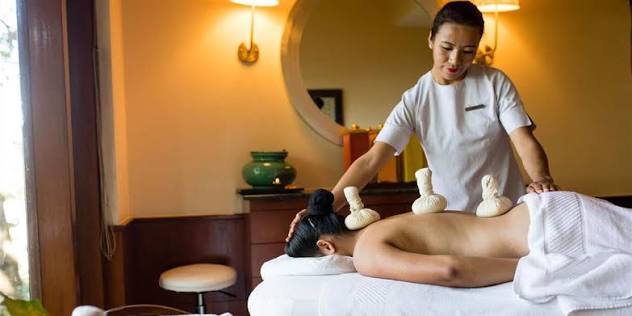
Abhyanga is a traditional Ayurvedic oil-massage practice, usually involving warm oils selected as part of an Ayurvedic routine. At a serious wellness center, treatments should follow an initial consultation rather than being presented simply as interchangeable spa massages.
Shirodhara – Traditional Oil-Pouring Therapy
Shirodhara involves a controlled stream of liquid, often warm oil, flowing across the forehead for a specified period. Small studies have investigated the practice, but research remains limited, so travelers should regard it as a traditional therapy rather than a proven treatment for specific medical conditions.
Panchakarma – Practitioner-Supervised Programs
Panchakarma refers to a group of more intensive Ayurvedic procedures traditionally used within individualized programs. Because some practices go substantially beyond massage or relaxation, they should be undertaken only after assessment by a properly qualified practitioner. Contemporary research literature also notes the continuing need for clearer evidence-based practice guidance for Panchakarma procedures.
Visitors with existing medical conditions, those taking prescription medicines, and pregnant or nursing travelers should discuss Ayurvedic medicines or specialized therapies with their regular healthcare provider as well as the retreat’s qualified clinician. NCCIH also cautions that some Ayurvedic preparations may contain potentially toxic levels of metals, making responsible sourcing important.
Yoga and Meditation Experiences
Yoga, breathing practices, and meditation are frequently incorporated into wellness schedules as complementary experiences. Kerala Tourism’s higher-level Ayurveda classification criteria even include dedicated meditation or yoga facilities among specified center standards.
How to Plan a Luxury Kerala Ayurveda & Wellness Tour
Choose Your Travel Dates and Wellness Goals
Start by deciding whether Ayurveda is the central purpose of the journey or one element of a larger Kerala vacation. A monsoon stay can suit a retreat-first approach; December to February is easier when private touring and outdoor experiences are equally important.
For specialized programs, speak with the retreat before booking flights so that recommended treatment duration, contraindications, diet, and scheduling can be discussed in advance.
Select a Reputable Ayurveda Resort
Do not judge a center solely by luxury accommodation or beautiful photography. Kerala Tourism maintains a searchable directory of accredited Ayurveda centers, while its classification framework requires features such as registered doctors, approved therapists, patient records, hygiene procedures, first-aid provisions, and appropriate treatment facilities.
Useful authoritative references include Kerala Tourism’s classification system for Ayurveda centers, its directory of accredited Ayurveda providers, and the U.S. National Institutes of Health’s NCCIH Ayurveda safety and evidence overview.
Combine Wellness Experiences with Kerala Sightseeing
An effective luxury itinerary leaves enough unscheduled time for wellness while still revealing Kerala’s variety. Cochin can introduce the state’s history and culture; Munnar provides tea-covered highlands; Kumarakom offers Vembanad Lake and backwater scenery; and Marari concludes the journey beside the Arabian Sea. Lewis and Clark Tours already positions Kerala journeys around private transportation, premium accommodations, Ayurveda, Munnar, backwaters, and Marari Beach.
Book a Private Luxury Tour
A privately arranged itinerary is particularly useful when treatments are scheduled at fixed times. Transfers and sightseeing can be adapted around consultations, yoga sessions, meals, and rest rather than forcing wellness activities into a rigid group-tour timetable.
Lewis and Clark Tours’ proposed Luxury Kerala Ayurveda & Wellness Tour brings together Cochin, Munnar, Kumarakom, and Marari Beach, allowing international travelers to combine Ayurveda with Kerala’s culture, hills, backwaters, and coast.
Publication note: The requested internal URL for Luxury Kerala Ayurveda & Wellness Tour was checked on October 8, 2026 and currently returns a 404 response, so it has not been published here as a live link. Confirm that the page is active before linking the anchor text to the supplied URL.
Essential Tips Before Booking an Ayurveda Retreat in Kerala
Choose a center that appears in Kerala Tourism’s accredited-provider resources or can clearly explain its current credentials. Ask who will conduct the initial consultation and verify that specialized therapies are supervised by qualified practitioners; Kerala’s tourism classification criteria specifically require a qualified doctor registered with the relevant state medical council.
Provide an accurate medical history, including medications and allergies, before agreeing to an intensive program. Ayurveda should not be used to delay conventional medical care for an existing health problem, and additional caution is appropriate with ingestible herbal or mineral products.
Also confirm the retreat duration before finalizing the wider itinerary. A few days may be appropriate for massage, yoga, meditation, and relaxation, while a practitioner-led Panchakarma program may require a much longer commitment.
For monsoon travel, pack lightweight quick-drying clothing, suitable footwear, and rain protection, and leave flexibility around road journeys and outdoor sightseeing. Finally, confirm exactly what the retreat rate includes—consultations, therapies, accommodation, meals, yoga, airport transfers, and any prescribed products—rather than assuming every wellness component is bundled together.
Frequently Asked Questions
Which month is best for Ayurveda treatment in Kerala?
July and August offer the classic monsoon retreat atmosphere traditionally associated with Ayurveda. For travelers who also want extensive sightseeing, December through February is generally more comfortable. The best choice therefore depends on whether wellness or touring is the priority.
Is monsoon a good time for an Ayurveda retreat in Kerala?
Yes, particularly for travelers seeking an immersive, slower-paced retreat between June and September. Monsoon Ayurveda has a strong traditional association in Kerala, although modern research has not established that rainy-season treatment is inherently more medically effective.
Can I enjoy Ayurveda treatments in Kerala during winter?
Absolutely. Ayurveda centers operate beyond the monsoon season, and winter is particularly convenient for visitors combining treatments with Munnar, backwater cruises, beaches, heritage sightseeing, and private touring. December to February offers one of the easiest balances of wellness and exploration.
How many days should I spend at a Kerala wellness retreat?
For general relaxation, yoga, massage, and introductory Ayurveda, several days can be worthwhile. Intensive programs such as Panchakarma may require considerably longer and should be planned according to a qualified practitioner’s assessment rather than a fixed tourism timetable.
Which place is best for a luxury Ayurveda retreat in Kerala?
Kumarakom suits travelers drawn to backwaters, while Marari and Kovalam offer coastal settings. Wayanad favors nature and forests, and Munnar adds cooler hill scenery. The best Luxury Ayurveda Retreat Kerala location depends on the atmosphere and touring experience you prefer.
Can I combine Ayurveda treatments with Kerala sightseeing?
Yes. A thoughtfully paced itinerary can combine scheduled wellness sessions with Cochin, Munnar, Kumarakom, and Marari Beach. Avoid overloading treatment days; private transportation and flexible sightseeing make it easier to preserve the rest periods that a retreat program may recommend.
Plan Your Luxury Kerala Wellness Holiday with Lewis and Clark Tours
The best time for Ayurveda in Kerala ultimately depends on the experience you value most. Choose June to September for a rain-soaked, retreat-centered atmosphere, or favor December to February when comfortable touring is equally important. With private arrangements connecting Cochin, Munnar, Kumarakom, and Marari Beach, Lewis and Clark Tours can balance wellness with Kerala’s landscapes and cultural experiences. Explore the Luxury Kerala Ayurveda & Wellness Tour once its dedicated page is live, or contact Lewis and Clark Tours for a customized itinerary shaped around your travel dates and wellness goals